
Protecting valuable inventory, sensitive equipment, and high-theft assets starts with selecting the right physical barriers for your facility. While you might know the general dimensions you need, the process of sourcing, customizing, and installing industrial partitions is complex. The market offers several channels for purchasing equipment, but for those seeking a blend of long-term durability and expert guidance, Storage & Ergonomic Equipment provides the professional edge your facility requires to operate safely and efficiently.
Choosing the right supplier of storage equipment near Philadelphia depends on your specific requirements for lead time, installation support, and customization. A local partner often provides hands-on service that anonymous online marketplaces cannot match. Understanding these sources and the technical specifications of the products helps you make an informed decision that protects your bottom line and your personnel.
Distinguishing Between Supplier Types
The industrial market generally categorizes sellers into three main groups. Identifying which one fits your project scope is the first step in a successful procurement process.
1. Dedicated Material Handling Distributors
Companies like Storage & Ergonomic Equipment specialize specifically in warehouse infrastructure and workplace efficiency. These distributors offer deep technical knowledge and often have years of experience in facility layout design. Because they understand the “ecosystem” of a warehouse, they can make sure your security cage doesn’t interfere with lighting, HVAC, or forklift traffic. A Storage & Ergonomic Equipment provides a security cage near Philadelphia typically sourced from top-tier manufacturers but comes with the added value of local accountability and design assistance.
2. Direct Manufacturers
Buying directly from a manufacturer is an option usually reserved for massive, new-build facilities or highly specialized custom fabrications that fall outside standard sizes. While manufacturers have the most direct control over the build, they often lack the localized installation support and the ability to bundle other necessary warehouse components (like shelving or rack protection) into a single shipment.
3. General Industrial Supply Retailers
These are the large “catalog” companies. They are excellent for purchasing a standard, stock security cage quickly if you have an immediate, simple need. However, they rarely provide the technical consultation required for complex security needs or seismic anchoring requirements. If your project involves more than a four-sided box on a flat floor, the “add to cart” approach may lead to costly installation errors.
Key Features to Look for in a Vendor
A reputable vendor does more than just move products; they act as a consultant. At Storage & Ergonomic Equipment, we believe a supplier should offer comprehensive support throughout the lifecycle of the product.
Technical Guidance and Material Selection
A good vendor should explain the nuances of wire mesh. The strength and visibility of your enclosure are determined by the mesh thickness and the grid pattern. You must decide between:
- Woven Wire Mesh: Known for its high strength and traditional aesthetic, woven wire is excellent for heavy-duty security.
- Welded Wire Mesh: This provides a clean, modern look and prevents the mesh from unraveling if a single wire is cut.
Detailed Specifications and Finishes
Look for suppliers who provide transparent data. You should know the exact gauge of the steel and the powder-coating process used. For outdoor applications, Storage & Ergonomic Equipment recommends galvanized steel finishes to prevent rust and corrosion. A vendor that glosses over these details may be selling an inferior product that will degrade in high-traffic environments.
Installation and Assembly Support
Many vendors simply ship a crate to your dock and consider the job finished. However, large structural security cages often require hammer drills, concrete anchors, and precise leveling. Storage & Ergonomic Equipment prioritizes making sure you have the resources or professional services necessary to get the cage standing and secure. If you lack an in-house maintenance team, prioritize vendors who can provide or recommend certified installers.
Matching Products to Your Facility
Every facility has a unique “threat profile” and operational flow. At Storage & Ergonomic Equipment, we categorize solutions based on their intended impact on your daily operations.
Warehouse and Distribution Security
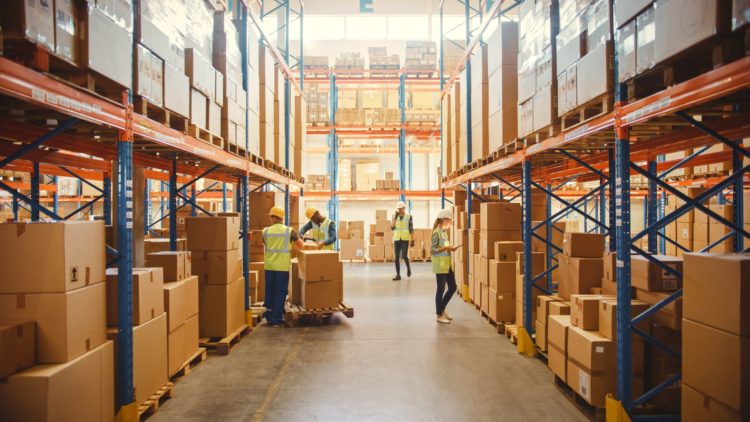
Standard warehouse cages are built for impact. These units are often integrated with existing infrastructure, such as pallet racking systems. By using Storage & Ergonomic Equipment wire partitions as “back-of-rack” protection, you prevent inventory from falling into aisles, protecting both your stock and your employees.
Retail and Commercial Environments
If you manage a retail backroom or a pharmaceutical storage area, you may require a “cleaner” look. Aluminum security cages are an excellent option for environments requiring corrosion resistance or a high-end aesthetic. They offer a modern appearance while maintaining the rigorous security standards expected of a Storage & Ergonomic Equipment installation.
Specialized Storage Applications
Beyond the standard four-wall enclosure, consider these specialized units:
- Security Cabinets: Smaller, standalone units perfect for tools, electronics, or sensitive documents in facilities with limited floor space.
- Utility Cages: Specifically designed to encase outdoor air conditioner units or generators to prevent copper theft and vandalism.
- Storage Lockers: These provide individual secure spaces for employee belongings or tenant storage. They offer high visibility for safety inspections while keeping personal items locked away.
Integrating Security with Warehouse Systems
When purchasing from Storage & Ergonomic Equipment, think about how your new cage fits into your broader material handling ecosystem. A security cage should never be an obstacle to productivity.
Racking and Decking Integration
In modern distribution centers, wire decking is often used in conjunction with security cages. This setup creates a secure shelf level that allows water from overhead sprinklers to pass through freely—a critical fire safety requirement. Storage & Ergonomic Equipment can help you design a system where the cage mounts directly to the rack uprights, saving floor space and reducing material costs.
Safety Barriers and Machine Guarding
Security panels aren’t just for theft; they are essential for safety. In automated facilities, wire security panels act as safety barriers to keep personnel away from moving machinery, pick modules, or conveyor systems. These panels can be fitted with interlock switches that cut power to machinery if a gate is opened, guaranteeing total workplace safety.
Managing Odd-Sized Inventory
For items that are long or awkward, such as lumber or piping, you might use cantilever racks. Securing these requires a specialized Storage & Ergonomic Equipment design that accommodates the extending arms. These enclosures often require custom engineering to make sure the doors can still operate while the cantilever arms are fully loaded.
The Importance of Ergonomics in Security
The “Ergonomics” in Storage & Ergonomic Equipment isn’t just a name—it’s a philosophy. A security cage that is difficult to use will eventually be left propped open, defeating the purpose of the investment.
- Door Selection: Consider your traffic. Sliding doors are preferable in tight spaces where swinging doors would block aisles. Double-swing doors are better for wide loads and pallet jacks.
- Access Control: From simple key locks to electronic keypads and biometric scanners, the way your team interacts with the cage should be seamless.
- Visibility and Lighting: Wire mesh allows for existing facility lighting to illuminate the stored goods, reducing the need for internal cage lighting and improving the speed of inventory counts.
Final Considerations: Investing for the Long Term
Locating the right place to buy a security cage involves balancing cost, convenience, and capability. While a budget option might seem attractive today, the cost of a door that won’t latch or a mesh that sags after six months far outweighs the initial savings.
Investing in a Storage & Ergonomic Equipment solution protects your assets, organizes your workflow, and provides a safer environment for your staff. Take the time to compare your options and select a partner who understands your operational challenges. Remember that a high-quality security cage is a long-term asset; choosing a durable, well-designed system will provide value and peace of mind for years to come.